%2Ffit-in%2F250x250%2Fguide_websites%2F33135%2Fimages%2F1750561448236image-2025-06-22t110404.848.png&w=1920&q=100)
Chinook Salmon and Rockfish Caught on Oregon Coast
Salmon and Rockfish Fishing off Oregon Coast - What to Expect
%2F%2Fusers%2F2218b4da-5c3c-40d9-9610-82c4889def9f%2Fimages%2Foregon-coast-salmon-rockfish-catch-10462.png&w=1920&q=75)
Fishing Charter by Captain Eugene Gruhlke in June
- Experience The Top Fishing Charters Oregon Coast!


Summary
This 6-hour fishing charter with Pacific Odyssey Dory Charters on Sunday, June 22 takes you offshore to target Chinook salmon, black rockfish, and lingcod. The Susan K delivers anglers to productive grounds where fresh catches are boxed with ice for the journey home. Whether you're experienced or new to saltwater fishing, the crew provides tackle, bait, and hands-on guidance throughout the day.
Offshore Fishing Charter with Captain Eugene Gruhlke - Rates & Booking
Captain Eugene Gruhlke of Pacific Odyssey Dory Charters on Sunday, June 22 welcomes anglers aboard the Susan K for a 6-hour shared offshore fishing charter. This trip accommodates one guest and includes all bait, tackle, and personalized instruction from the crew. The limited group size means you receive focused attention and hands-on support throughout the day. Booking early is essential during peak season as availability fills quickly. Reserve your spot online to secure your date.
Highlights of This Offshore Fishing Charter
The Susan K targets Chinook salmon, black rockfish, and lingcod in deeper Pacific waters off the Oregon Coast. When weather cooperates, the crew deploys crab pots for the chance to land fresh Dungeness crab as a bonus to your catch. The trip combines the thrill of battling strong-fighting fish with the beauty of offshore conditions and the camaraderie of a professional crew dedicated to a rewarding day on the water.
Fresh catches are immediately placed in wooden boxes with ice to preserve quality through the journey. This attention to detail reflects the crew's commitment to ensuring your fish arrive home in premium condition, ready for cooking and sharing.
Local Species Insights: Chinook Salmon and Black Rockfish
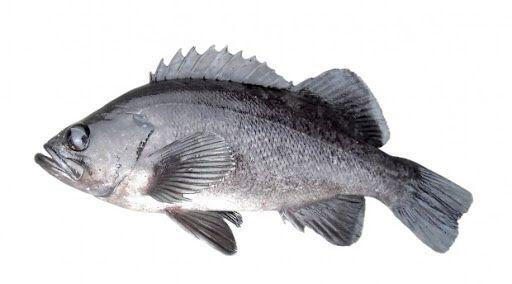
The Oregon Coast's offshore grounds hold abundant populations of Chinook salmon and black rockfish, two of the region's most sought-after saltwater species. Chinook salmon are powerful swimmers that test your skills and patience, often requiring substantial effort to bring alongside the boat. Their size and strength make landing one a memorable achievement. Black rockfish, recognizable by their dark coloring and sturdy build, school around rocky structures and deeper reefs where they feed actively.
The offshore environment here supports consistent fishing opportunities throughout the season. Water temperatures, bottom structure, and prey availability combine to create productive grounds where fish are plentiful. The Pacific's cooler currents and depth variations foster healthy ecosystems that sustain these species year after year. Anglers consistently report strong catches during prime fishing windows, making this location a reliable destination for those seeking authentic offshore fishing experiences.
Black rockfish respond well to standard saltwater techniques and are forgiving species for newer anglers learning the craft. Chinook salmon demand more precision and timing, rewarding patient anglers with the most excitement. The combination of both species on this charter provides variety and keeps the day engaging, whether you're refining advanced techniques or building foundational saltwater fishing skills.
Plan Your Offshore Fishing Day
You'll board the Susan K ready to fish within the 6-hour window. The crew provides all necessary bait and tackle, eliminating the need to bring your own gear unless you prefer personal equipment. Group size remains intentionally limited to ensure the captain and crew can offer individualized guidance and optimize positioning for success. The boat itself is equipped for offshore comfort, with adequate space to fish safely and move freely. Bring layers and weather-appropriate clothing regardless of season, as water conditions and wind create variable comfort levels throughout the day. The crew handles most technical aspects while teaching techniques that enhance your personal skill development.
Fishing in Oregon Coast: Black Rockfish and Chinook Salmon
Black Rockfish Overview
The Black Rockfish (Sebastes melanops) is a captivating member of the Sebastidae family within the order Scorpaeniformes. Named for its predominantly dark gray to black coloration—though older specimens often fade to lighter grays or even white—this fish is a favorite among Pacific anglers seeking an accessible yet rewarding catch. What makes the Black Rockfish truly distinctive is its combination of a large, suction-adapted mouth, venomous spines on its dorsal and anal fins, and a robust body shape that resembles a bass but with considerably more armor. These bottom-dwelling predators are found throughout the Pacific coast from Alaska to Southern California, making them a staple gamefish in coastal communities and a regular subject of fishing expeditions from San Diego to Seattle.
Black Rockfish Habitat and Distribution
The Black Rockfish thrives along the rocky reefs, near jetties, and around estuary structures of the Pacific coast. While they typically inhabit nearshore waters with rough currents and shallow rocky terrain, they're surprisingly adaptable—venturing as deep as 1,200 feet when hunting for food. You'll find them most abundantly along the coasts from Alaska stretching down to Southern California, with notable populations in the waters of northern Baja California, Mexico. They often school with other rockfish species like yellowtail, widow, and dusky rockfish, creating mixed-species gatherings that anglers have learned to target. Their preference for rocky bottoms and structures means they're relatively easy to locate once you understand their environmental preferences.
Black Rockfish Size and Weight
Adult Black Rockfish typically range from 8 to 25 inches in length, with most specimens weighing between 2 to 5 pounds on average. The largest recorded specimen exceeded two feet and tipped the scales at around 11 pounds—a true trophy by rockfish standards. Despite their relatively modest size compared to some marine gamefish, they're surprisingly robust and put up a spirited fight when hooked. Their slow growth rate and impressive longevity—with some individuals living up to 50 years in the wild—means that larger specimens represent significant age and experience, making every large Black Rockfish encounter noteworthy for anglers.
Black Rockfish Diet and Behavior
The Black Rockfish is one of the ocean's most adept predators, employing its large mouth to inhale prey whole. These aggressive feeders primarily target smaller fish species like herring and sand lance, along with benthic creatures including small crustaceans and octopi. Their hunting prowess is matched by their opportunistic nature—when food becomes scarce in their natural habitat, they'll wander into different zones to pursue prey. Though they're known to form schools, they're often solitary or found schooling with other species, displaying a flexible social structure. Black Rockfish are not fast swimmers in general, but they can burst with surprising speed when threatened or striking at prey. Their feeding behavior is notably non-selective, making them responsive to a wide variety of presentations, which is why they're considered excellent targets for both novice and experienced anglers.
Black Rockfish Spawning and Seasonal Activity
The Black Rockfish exhibits a fascinating reproductive strategy unique among many fish species. Rather than laying eggs, females are viviparous—giving birth to live planktonic larvae instead. During the spawning season, a single female can produce an extraordinary 125,000 to 1,200,000 eggs, which are fertilized internally by males. After mating, females possess the remarkable ability to store sperm for months before eggs fertilize, allowing them to time reproduction strategically. The larvae are born into open water between January and May, drifting as plankton for months until they grow large and strong enough to return to rocky habitats and begin hunting independently. This extended larval phase and internal fertilization system represent evolutionary adaptations that have allowed the species to thrive for decades—some individuals reaching 50 years of age.
Black Rockfish Techniques for Observation and Capture
Method 1: Jigging Near Rocky Structure — This is the preferred technique among experienced anglers targeting Black Rockfish. Use a medium-action rod paired with a conventional or bait-casting reel featuring a sensitive tip so you can feel subtle strikes. Vertical jigging works exceptionally well around rocky reefs, jetties, and underwater structures where these fish congregate. Drop your jig to the bottom and work it with short, rhythmic lifts—the aggressive feeding nature of Black Rockfish means they'll typically strike immediately. Around coastal cities like Seattle or San Francisco, working the rocky points and underwater pinnacles during slack tide periods yields excellent results.
Method 2: Live Bait Presentation — If you prefer live baits, anchovies, sardines, and mackerel are proven choices that trigger aggressive responses. Use sufficient weight to keep your bait near the bottom where Black Rockfish hunt, allowing the natural movement of your bait to attract attention. This method is particularly effective during dawn and dusk periods when feeding activity peaks. The fish's willingness to accept almost any prey presentation means success rates are typically high.
Method 3: Drift Fishing Over Rocky Bottom — Drifting over known rocky habitat while dropping weighted lines or small lures allows you to cover larger areas and locate concentrations of fish. This method works well when combined with depth finder technology to identify bottom contours. The non-selective feeding behavior of Black Rockfish means they'll respond to a variety of lures and presentations, making this an effective approach for anglers of all skill levels.
Black Rockfish Culinary and Utilization Notes
Black Rockfish flesh is considered average quality for table fare, ranking among mild-flavored white fish options. The meat is relatively lean and flakes nicely when cooked, making it suitable for baking, broiling, or frying. While not prized for exceptional flavor compared to premium gamefish, they provide decent eating for anglers who keep their catch. The primary value of Black Rockfish to most participants is recreational—the enjoyment of catching an aggressive predator and experiencing the challenge of navigating rocky habitat. However, their accessibility and strong fighting ability make them an excellent species for introducing new anglers to saltwater fishing without requiring specialized equipment or extensive experience.
Black Rockfish Frequently Asked Questions
Q: What is the best bait or lure for Black Rockfish?
A: Black Rockfish are highly aggressive and non-selective feeders, making them responsive to almost any presentation. However, jigs are the favorite choice among experienced anglers because they work well in rocky habitat. Live baits like anchovies, sardines, and mackerel also work excellently. Small crustaceans and squid are effective alternatives. The key is reaching the bottom where these fish feed and working your offering with confidence.
Q: Where can I find Black Rockfish along the Pacific coast?
A: Black Rockfish are found throughout the Pacific from Alaska to Southern California, with especially abundant populations near rocky reefs, jetties, and estuary structures. Around cities like Seattle, San Diego, and San Francisco, public fishing piers, breakwaters, and nearshore rocky points are productive locations. They typically inhabit water from just offshore to depths reaching 1,200 feet, though most recreational fishing occurs in shallower nearshore zones.
Q: When is the best time to catch Black Rockfish?
A: Black Rockfish can be caught year-round, though feeding activity peaks during dawn and dusk hours. Spring through fall generally provides the most consistent action, with slack tide periods (when current slows) being particularly productive. Winter months can still be good, but rougher water conditions may limit access to productive fishing grounds.
Q: Are Black Rockfish susceptible to barotrauma, and what does that mean?
A: Yes, Black Rockfish are particularly prone to barotrauma because they lack a vent on their swim bladder. When brought rapidly from depth to the surface, the sudden pressure change can cause severe internal injuries—eyes bulging, innards protruding from the mouth, and swim bladder rupture. If you're catch-and-release fishing, descending devices or careful handling techniques help improve survival rates for released fish.
Q: How do I distinguish Black Rockfish from similar species like Blue Rockfish?
A: Black Rockfish are often confused with Blue Rockfish due to similar body shape, but Black Rockfish display predominantly dark gray to black coloration (becoming lighter with age), while Blue Rockfish show more blue tones. Black Rockfish have a slightly more robust build and different fin spine configurations. Learning to recognize these subtle differences enhances your ability to target specific rockfish species during your fishing adventures.
Q: What is the typical lifespan of Black Rockfish?
A: Black Rockfish are remarkably long-lived for their size, with individuals known to reach 50 years of age in the wild. This longevity, combined with their slow growth rate and internal reproduction strategy, makes them a species worth respecting and considering for catch-and-release practices, particularly when targeting larger specimens that represent decades of survival and growth.
Chinook Salmon Overview
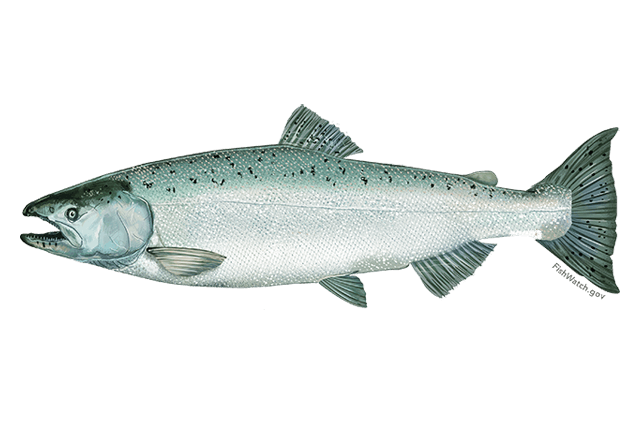
The Chinook Salmon (Oncorhynchus tshawytscha), commonly called King Salmon, is the largest and most prized member of the Salmonidae family within the order Salmoniformes. Known for their silver sides, vibrant blue-green backs, and distinctive black spots covering their heads, backs, tails, and fins—along with their characteristic black mouths and gums—these powerful fish are legendary among anglers and seafood enthusiasts alike. Found throughout the colder waters of the Pacific, from Alaska to Northern California and introduced populations in the Great Lakes, Chinook salmon represent one of the most exciting freshwater and saltwater angling experiences available. These fish are not just impressive fighters; they're also environmental indicators, leaving water bodies when habitat degradation occurs, making them invaluable to understanding ecosystem health in cities like Anchorage, Alaska.
Chinook Salmon Habitat and Distribution
Chinook salmon thrive in cold, clean waters and exhibit fascinating habitat preferences throughout their lifecycle. Young salmon spend their early years in freshwater streams and estuaries, often hiding among tree roots and other protective structures in cold, flowing water. As they mature, they migrate into the open ocean where nutrient-rich environments support their rapid growth and development. These fish are found naturally across the Pacific coast, ranging from Alaska and Western Canada south through Washington State, Oregon, Idaho, and Northern California. Beyond their native range, they've been successfully introduced to Japan, Russia, and the Great Lakes region of the United States. Key fishing destinations include Ship Creek in Anchorage, Alaska, and Lake Oahe in South Dakota, where populations support thriving recreational fisheries. Snow melt into lakes and streams creates ideal conditions for both young and spawning adults, making spring and early summer particularly productive seasons.
Chinook Salmon Size and Weight
Chinook salmon live up to their King Salmon nickname by growing to impressive sizes. Typically, these fish range from 30 to 59 inches in length and weigh between 10 to 50 pounds, with many specimens well into the trophy category. In their native habitats with abundant food sources and optimal conditions, individual fish can exceed 20 to 30 pounds routinely, with exceptional specimens pushing toward the upper weight ranges. The description notes that while typical fish measure 12 to 39 inches and weigh 7 to 15 pounds in many waters, the larger sizes documented here reflect the potential of well-fed populations in prime fishing grounds. This size variation depends heavily on habitat quality, food availability, and ocean conditions during their seawater phase, where they accumulate most of their bulk before returning to spawn.
Chinook Salmon Diet and Behavior
The dietary preferences of Chinook salmon change dramatically as they grow and migrate. Young salmon feed on plankton, aquatic insects, small fish, and invertebrates while inhabiting freshwater nurseries. Once they transition to ocean life, their diet expands significantly to include sand lance, pilchards, squid, herring, and various crustaceans—a nutritional abundance that drives their rapid growth and distinctive reddish-pink to orange meat coloration. Adult salmon demonstrate strong light sensitivity, typically remaining near the bottom of water columns during daylight hours and becoming more active during low-light periods. This behavior has significant implications for successful angling strategies. Males develop more intense coloring than females as they mature and prepare to spawn, and they also exhibit the distinctive hooked jaw and pronounced upper jaw that characterizes spawning males. Understanding these behavioral patterns is essential for timing your fishing efforts and selecting effective techniques.
Chinook Salmon Spawning or Seasonal Activity
Chinook salmon are anadromous fish, meaning they spend most of their adult lives in the ocean before returning to freshwater to reproduce. They reach sexual maturity between 2 to 7 years of age, at which point the spawning drive compels them to undertake remarkable migrations back to their natal streams. Females construct redds—gravelly nests built on the stream bottom—where they deposit their eggs. Depending on water temperature and spawning timing, incubation periods vary, with hatching typically occurring in early spring or late winter. Tragically, these fish die soon after spawning, completing their lifecycle in a single dramatic reproductive event. This semelparous (single-breeding) life history strategy means that successful populations depend entirely on maintaining healthy spawning habitat and ensuring that adequate numbers of fish survive their ocean phase to return and reproduce.
Chinook Salmon Techniques for Observation or Capture
Fly Fishing: Fly fishing for Chinook salmon is an exhilarating pursuit that requires understanding how light conditions influence fly selection and presentation. When targeting these fish, exact fly pattern matters less than you might think, but color can make a dramatic difference. On bright, sunny days, use vibrant color combinations like chartreuse and blue or pink and orange. During cloudy or dark conditions, shift toward blue and black or purple and black combinations. Effective fly choices include rhea tube intruders, bunny leeches, marabou tubes, shanked intruders, and minnow patterns. The critical technique is maintaining proper swing—avoid swinging too far and keep your fly swimming actively through the water column. Around Anchorage, Alaska, Ship Creek offers excellent fly-fishing opportunities where you can practice these techniques on eager fish in urban-accessible habitat.
Lake and Offshore Trolling: When pursuing Chinook salmon in lakes or offshore waters, down-rigging and trolling prove highly effective. This method allows you to cover water systematically and adjust depth based on where fish are holding. Use plugs, spoons, trolling flies, or live and dead bait depending on local regulations and fish preferences. The advantage of trolling is that it lets you search large areas and explore different depth zones, increasing your chances of locating actively feeding fish.
Still Fishing with Herring: For a more stationary approach, particularly in deep water, still fishing with herring is exceptionally productive. Position yourself in known deep-water holding areas and allow natural herring presentations to attract feeding fish. This patient technique works well when combined with weighted baits, as Chinook salmon's light sensitivity keeps them near the bottom during daylight hours. The best times for any technique are early morning and evening when light levels are low and fish are most active in shallower, more accessible waters.
Chinook Salmon Culinary or Utilization Notes
Chinook salmon stands among the finest culinary fish available, boasting reddish-pink to orange meat with excellent flavor and texture. The rich, fatty flesh makes it ideal for grilling, smoking, baking, and sautéing—preparation methods that highlight its natural oils and distinctive taste. Beyond the excellent eating experience, salmon provides outstanding nutritional benefits, including high-quality protein, omega-3 fatty acids, and various vitamins and minerals essential for human health. Wild-caught Chinook salmon represents a sustainable protein choice when sourced from well-managed fisheries, though you should always check local regulations and sustainability guidelines before harvest. The combination of hard-fighting sport qualities and exceptional table fare makes successfully landing and preparing Chinook salmon one of the most rewarding outdoor experiences available to anglers and food enthusiasts alike.
Chinook Salmon Frequently Asked Questions
Q: What is the best bait and lure for Chinook salmon?
A: Success depends on your fishing method and conditions. For fly fishing, bright colors like chartreuse and blue work well on sunny days, while blue and black combinations excel in low-light conditions. Effective flies include tube intruders, bunny leeches, and minnow patterns. For other methods, use plugs, spoons, live or dead herring, sand shrimp, and trolling flies. Weighted baits are essential because these light-sensitive fish spend most of their time near the bottom.
Q: Where can I find Chinook salmon near major fishing destinations?
A: Ship Creek in Anchorage, Alaska, is one of the top destinations for accessible Chinook salmon fishing, offering excellent opportunities right in an urban setting. Lake Oahe in South Dakota provides another world-class option. Throughout their native range—Alaska, Western Canada, Washington State, Oregon, Idaho, and Northern California—numerous rivers and coastal areas support healthy populations. The Pacific coast generally offers the most reliable fishing for this species.
Q: When is the best time to catch Chinook salmon?
A: Early morning and evening fishing produces the best results, as these light-sensitive fish are most active during low-light periods. Spring and summer, when snow melt increases water flow and creates ideal spawning conditions, bring fish into rivers and streams. Seasonal timing varies by location, so checking local fishing reports for your specific destination ensures you arrive during peak activity periods.
Q: Is Chinook salmon good to eat?
A: Absolutely. Chinook salmon is considered excellent eating, featuring reddish-pink to orange meat with rich flavor and fatty texture that makes it ideal for virtually any cooking method. The nutritional profile is outstanding, with high-quality protein and abundant omega-3 fatty acids. Wild-caught fish from well-managed fisheries represent a sustainable, delicious protein source.
Q: How large do Chinook salmon typically grow?
A: Chinook salmon earn their King Salmon nickname by growing to impressive sizes—typically ranging from 30 to 59 inches and weighing 10 to 50 pounds. Many specimens routinely exceed 20 to 30 pounds in productive waters. Size depends heavily on habitat quality and food availability, with ocean-phase fish accumulating most of their bulk before returning to spawn.
Q: What do Chinook salmon eat, and how does this affect fishing strategy?
A: Young salmon feed on plankton, insects, and small invertebrates in freshwater. Adult ocean-dwelling fish consume sand lance, herring, pilchards, squid, and crustaceans—a diet that produces their distinctive orange-pink meat. Understanding these preferences helps inform bait and lure selection. Their light sensitivity means they feed actively during early morning and evening when light levels are low, concentrating near the bottom during bright daylight hours.
More species you can explore on this trip
Pacific Odyssey Dory Charters Available Trips
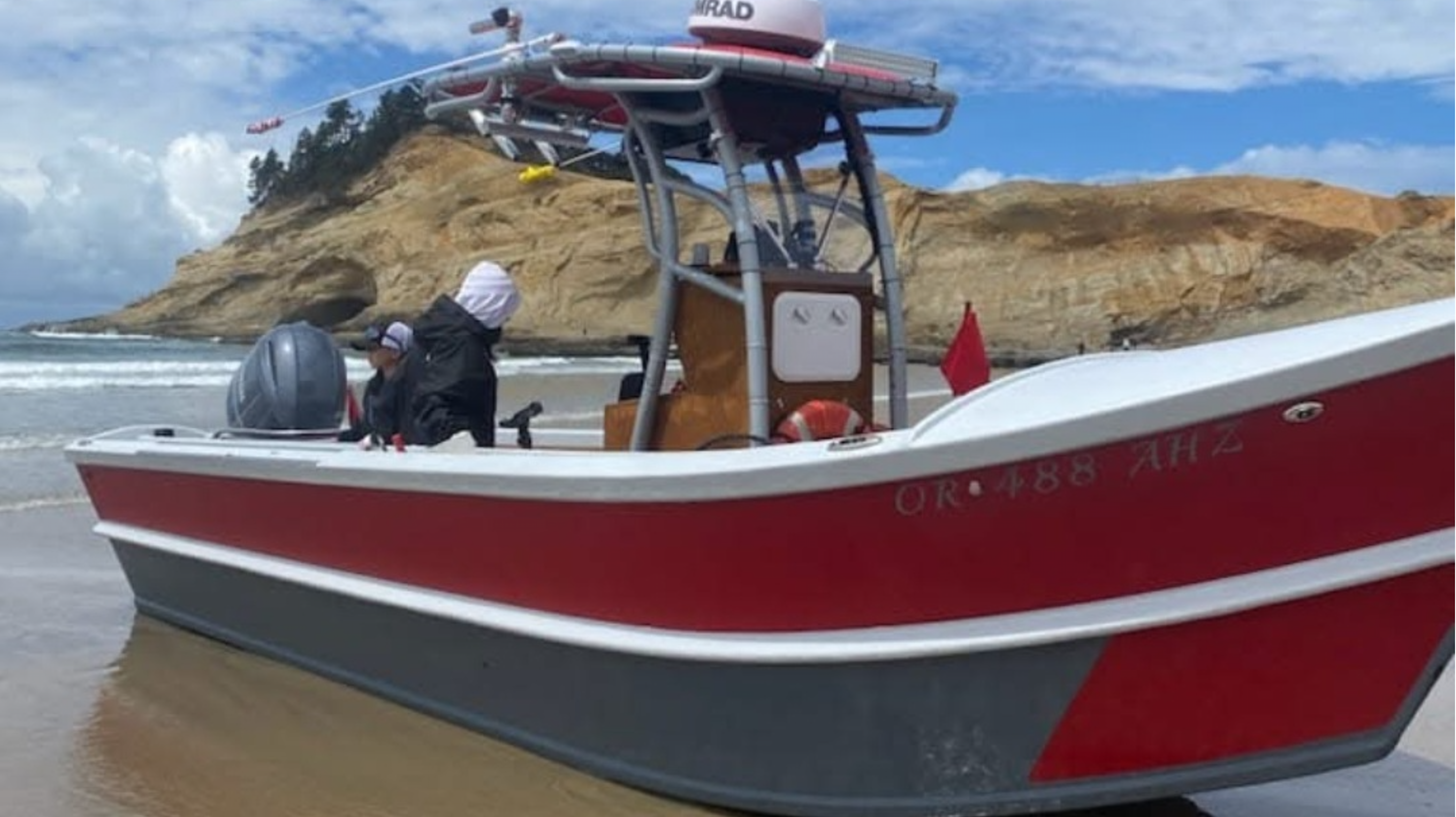
The Susan K is a working fishing vessel designed for serious offshore angling. You'll notice the practical layout immediately when you board - there's genuine deck space where you can move and fish without feeling cramped, and the boat is rigged with rod holders and tackle management throughout. The crew keeps the boat clean and organized, making it easy to focus on fishing rather than fumbling around. There's adequate shelter from wind and spray, though you'll still feel the ocean conditions - that's part of the authentic offshore experience. The boat carries modern safety equipment and is equipped for longer offshore runs, so you're heading to real fishing grounds, not shallow nearby spots. Everything on the Susan K is set up around function first - getting you to productive water and supporting successful fishing throughout the day. You'll see fellow anglers working their lines, hear the sound of the engine as you move between fishing marks, and feel the boat respond to actual offshore conditions. It's a genuine working environment where the boat serves one purpose: delivering a solid day of fishing.