%2Ffit-in%2F250x250%2Fguide_websites%2F33135%2Fimages%2F1750561448236image-2025-06-22t110404.848.png&w=1920&q=100)
Rockfish Trolling Charter Pacific City Oregon
Black Rockfish Fishing Off the Oregon Coast - What to Expect
%2F%2Fusers%2F2218b4da-5c3c-40d9-9610-82c4889def9f%2Fimages%2Fblack-rockfish-trolling-oregon-coast-9028.png&w=1920&q=75)
Fishing Charter by Captain Eugene Gruhlke in September
- Experience The Top Fishing Charters Oregon Coast!


Summary
Join Captain Eugene Gruhlke on a private fishing charter off the Oregon Coast where black rockfish are a reliable catch. This 6-hour inshore trip combines rod-and-reel action with Dungeness crab pot dropping when conditions allow, giving your group up to 6 people a full taste of local fishing traditions. All gear, bait, and tackle are provided, making it perfect for families and mixed-skill groups alike.
Inshore Fishing with Captain Eugene Gruhlke - Rates & Booking
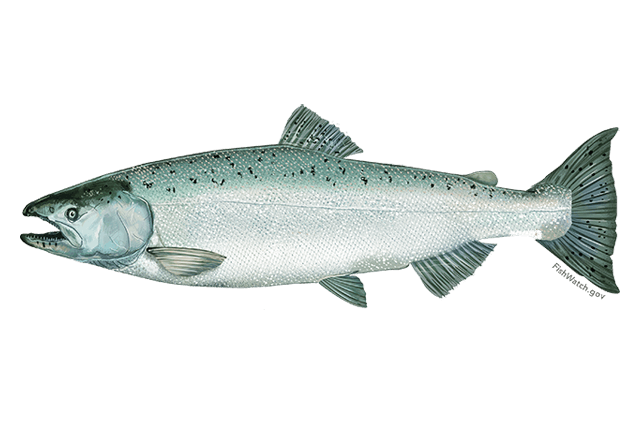
Captain Eugene Gruhlke of Pacific Odyssey Dory Charters offers private fishing charters on Saturday, September 19th off the Oregon Coast. This 6-hour inshore trip accommodates up to 6 guests and targets salmon, rockfish, and lingcod. All required fishing gear, bait, and tackle are supplied, so you just need to show up ready to fish. When ocean conditions are favorable, you'll also have the chance to drop Dungeness crab pots and experience the hands-on thrill of pulling in fresh crab. The private boat setup means Captain Gruhlke can tailor the day to your group's skill level, from teaching newcomers the basics to keeping experienced anglers focused on landing their catch. To book your trip or view current rates, contact Pacific Odyssey Dory Charters directly.
Highlights of This Private Oregon Coast Experience
What makes this charter stand out is the flexibility and variety built into every outing. You're not locked into one type of fishing all day. Whether your group wants to focus entirely on rockfish or mix in some crabbing action, Captain Gruhlke adjusts based on ocean conditions and what your crew is most interested in pursuing. The private boat means no crowded rails, no waiting for other anglers to finish their set, and no competing for deck space with strangers. Everyone in your group gets personalized attention and plenty of room to work.
The black rockfish population along this stretch of the Oregon Coast is healthy and reliable, making them a consistent target throughout the season. They hit actively during trolling and are known for solid, spirited fights that keep the action steady. Combine that with the possibility of pulling crab pots and you've got a day that feels like a real working fishing experience, not just casting practice.
Local Species Insights: Black Rockfish
Black rockfish are a cornerstone of Oregon Coast inshore fishing, and they're perfect for charter trips because they're abundant, willing biters, and fun to catch. These rockfish typically cruise the rocky reefs and kelp beds that line the coastal waters around Pacific City, where the bottom structure creates ideal habitat. They're opportunistic feeders that respond well to trolling presentations, making them accessible to anglers of all experience levels.
What makes black rockfish special is their aggressive nature. Once you're over a school, the action tends to stay consistent. They're not finicky eaters, and their solid weight means you'll feel every head shake and run on lighter tackle. Kids especially enjoy black rockfish because the fight is immediate and engaging without requiring expert technique to land them safely. They're also excellent table fare, so keeping your catch for a fresh seafood dinner is a real possibility.
Black rockfish congregate in specific depth zones and rocky areas, so Captain Gruhlke's local knowledge of finding and working these spots is crucial to a successful trip. The Oregon Coast has been a rockfish fishery for generations, and the techniques that work today are rooted in that deep tradition. Trolling methodically over known structure and using the right lure presentation and speed keeps the bite flowing throughout the tide cycle.
Plan Your Fishing Day
This is a 6-hour charter, which gives you plenty of time to explore multiple areas and styles of fishing without the trip feeling rushed. You'll bring up to 6 people, so family groups, friend circles, or small corporate outings fit perfectly. Bring your own snacks or lunch if you prefer, wear layers because ocean breezes keep things cooler than land, and bring sunscreen and a hat. The crew handles all the technical gear and tackle, so you can focus on learning, fishing, and enjoying the water.
Plan to arrive early for a quick safety briefing and gear check. Captain Gruhlke will walk you through what to expect, point out safety equipment, and answer any questions about your targets that day. From there, you'll head out and begin searching for rockfish schools. The action can pick up quickly once you're over the right bottom, so stay alert and be ready to move fast when bites start happening. If conditions allow crabbing, the crew will show you the techniques and you'll take turns hauling pots. It's a different rhythm but equally rewarding.
Fishing in Oregon Coast: Black Rockfish
Black Rockfish Overview
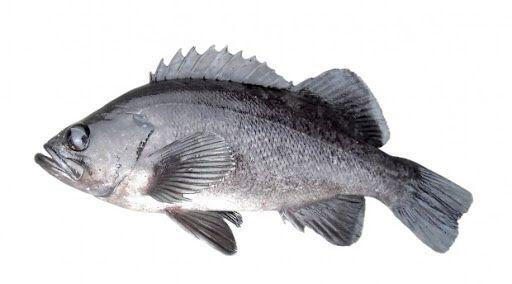
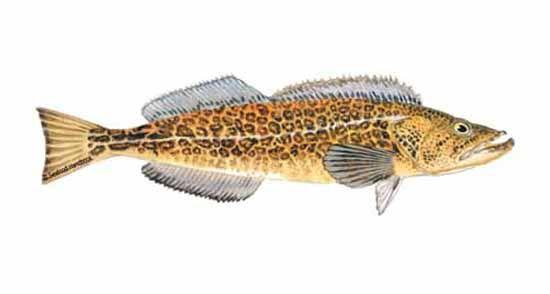
The Black Rockfish (Sebastes melanops) is a captivating member of the Sebastidae family within the order Scorpaeniformes. Named for its predominantly dark gray to black coloration—though older specimens often fade to lighter grays or even white—this fish is a favorite among Pacific anglers seeking an accessible yet rewarding catch. What makes the Black Rockfish truly distinctive is its combination of a large, suction-adapted mouth, venomous spines on its dorsal and anal fins, and a robust body shape that resembles a bass but with considerably more armor. These bottom-dwelling predators are found throughout the Pacific coast from Alaska to Southern California, making them a staple gamefish in coastal communities and a regular subject of fishing expeditions from San Diego to Seattle.
Black Rockfish Habitat and Distribution
The Black Rockfish thrives along the rocky reefs, near jetties, and around estuary structures of the Pacific coast. While they typically inhabit nearshore waters with rough currents and shallow rocky terrain, they're surprisingly adaptable—venturing as deep as 1,200 feet when hunting for food. You'll find them most abundantly along the coasts from Alaska stretching down to Southern California, with notable populations in the waters of northern Baja California, Mexico. They often school with other rockfish species like yellowtail, widow, and dusky rockfish, creating mixed-species gatherings that anglers have learned to target. Their preference for rocky bottoms and structures means they're relatively easy to locate once you understand their environmental preferences.
Black Rockfish Size and Weight
Adult Black Rockfish typically range from 8 to 25 inches in length, with most specimens weighing between 2 to 5 pounds on average. The largest recorded specimen exceeded two feet and tipped the scales at around 11 pounds—a true trophy by rockfish standards. Despite their relatively modest size compared to some marine gamefish, they're surprisingly robust and put up a spirited fight when hooked. Their slow growth rate and impressive longevity—with some individuals living up to 50 years in the wild—means that larger specimens represent significant age and experience, making every large Black Rockfish encounter noteworthy for anglers.
Black Rockfish Diet and Behavior
The Black Rockfish is one of the ocean's most adept predators, employing its large mouth to inhale prey whole. These aggressive feeders primarily target smaller fish species like herring and sand lance, along with benthic creatures including small crustaceans and octopi. Their hunting prowess is matched by their opportunistic nature—when food becomes scarce in their natural habitat, they'll wander into different zones to pursue prey. Though they're known to form schools, they're often solitary or found schooling with other species, displaying a flexible social structure. Black Rockfish are not fast swimmers in general, but they can burst with surprising speed when threatened or striking at prey. Their feeding behavior is notably non-selective, making them responsive to a wide variety of presentations, which is why they're considered excellent targets for both novice and experienced anglers.
Black Rockfish Spawning and Seasonal Activity
The Black Rockfish exhibits a fascinating reproductive strategy unique among many fish species. Rather than laying eggs, females are viviparous—giving birth to live planktonic larvae instead. During the spawning season, a single female can produce an extraordinary 125,000 to 1,200,000 eggs, which are fertilized internally by males. After mating, females possess the remarkable ability to store sperm for months before eggs fertilize, allowing them to time reproduction strategically. The larvae are born into open water between January and May, drifting as plankton for months until they grow large and strong enough to return to rocky habitats and begin hunting independently. This extended larval phase and internal fertilization system represent evolutionary adaptations that have allowed the species to thrive for decades—some individuals reaching 50 years of age.
Black Rockfish Techniques for Observation and Capture
Method 1: Jigging Near Rocky Structure — This is the preferred technique among experienced anglers targeting Black Rockfish. Use a medium-action rod paired with a conventional or bait-casting reel featuring a sensitive tip so you can feel subtle strikes. Vertical jigging works exceptionally well around rocky reefs, jetties, and underwater structures where these fish congregate. Drop your jig to the bottom and work it with short, rhythmic lifts—the aggressive feeding nature of Black Rockfish means they'll typically strike immediately. Around coastal cities like Seattle or San Francisco, working the rocky points and underwater pinnacles during slack tide periods yields excellent results.
Method 2: Live Bait Presentation — If you prefer live baits, anchovies, sardines, and mackerel are proven choices that trigger aggressive responses. Use sufficient weight to keep your bait near the bottom where Black Rockfish hunt, allowing the natural movement of your bait to attract attention. This method is particularly effective during dawn and dusk periods when feeding activity peaks. The fish's willingness to accept almost any prey presentation means success rates are typically high.
Method 3: Drift Fishing Over Rocky Bottom — Drifting over known rocky habitat while dropping weighted lines or small lures allows you to cover larger areas and locate concentrations of fish. This method works well when combined with depth finder technology to identify bottom contours. The non-selective feeding behavior of Black Rockfish means they'll respond to a variety of lures and presentations, making this an effective approach for anglers of all skill levels.
Black Rockfish Culinary and Utilization Notes
Black Rockfish flesh is considered average quality for table fare, ranking among mild-flavored white fish options. The meat is relatively lean and flakes nicely when cooked, making it suitable for baking, broiling, or frying. While not prized for exceptional flavor compared to premium gamefish, they provide decent eating for anglers who keep their catch. The primary value of Black Rockfish to most participants is recreational—the enjoyment of catching an aggressive predator and experiencing the challenge of navigating rocky habitat. However, their accessibility and strong fighting ability make them an excellent species for introducing new anglers to saltwater fishing without requiring specialized equipment or extensive experience.
Black Rockfish Frequently Asked Questions
Q: What is the best bait or lure for Black Rockfish?
A: Black Rockfish are highly aggressive and non-selective feeders, making them responsive to almost any presentation. However, jigs are the favorite choice among experienced anglers because they work well in rocky habitat. Live baits like anchovies, sardines, and mackerel also work excellently. Small crustaceans and squid are effective alternatives. The key is reaching the bottom where these fish feed and working your offering with confidence.
Q: Where can I find Black Rockfish along the Pacific coast?
A: Black Rockfish are found throughout the Pacific from Alaska to Southern California, with especially abundant populations near rocky reefs, jetties, and estuary structures. Around cities like Seattle, San Diego, and San Francisco, public fishing piers, breakwaters, and nearshore rocky points are productive locations. They typically inhabit water from just offshore to depths reaching 1,200 feet, though most recreational fishing occurs in shallower nearshore zones.
Q: When is the best time to catch Black Rockfish?
A: Black Rockfish can be caught year-round, though feeding activity peaks during dawn and dusk hours. Spring through fall generally provides the most consistent action, with slack tide periods (when current slows) being particularly productive. Winter months can still be good, but rougher water conditions may limit access to productive fishing grounds.
Q: Are Black Rockfish susceptible to barotrauma, and what does that mean?
A: Yes, Black Rockfish are particularly prone to barotrauma because they lack a vent on their swim bladder. When brought rapidly from depth to the surface, the sudden pressure change can cause severe internal injuries—eyes bulging, innards protruding from the mouth, and swim bladder rupture. If you're catch-and-release fishing, descending devices or careful handling techniques help improve survival rates for released fish.
Q: How do I distinguish Black Rockfish from similar species like Blue Rockfish?
A: Black Rockfish are often confused with Blue Rockfish due to similar body shape, but Black Rockfish display predominantly dark gray to black coloration (becoming lighter with age), while Blue Rockfish show more blue tones. Black Rockfish have a slightly more robust build and different fin spine configurations. Learning to recognize these subtle differences enhances your ability to target specific rockfish species during your fishing adventures.
Q: What is the typical lifespan of Black Rockfish?
A: Black Rockfish are remarkably long-lived for their size, with individuals known to reach 50 years of age in the wild. This longevity, combined with their slow growth rate and internal reproduction strategy, makes them a species worth respecting and considering for catch-and-release practices, particularly when targeting larger specimens that represent decades of survival and growth.
More species you can explore on this trip
Pacific Odyssey Dory Charters Available Trips
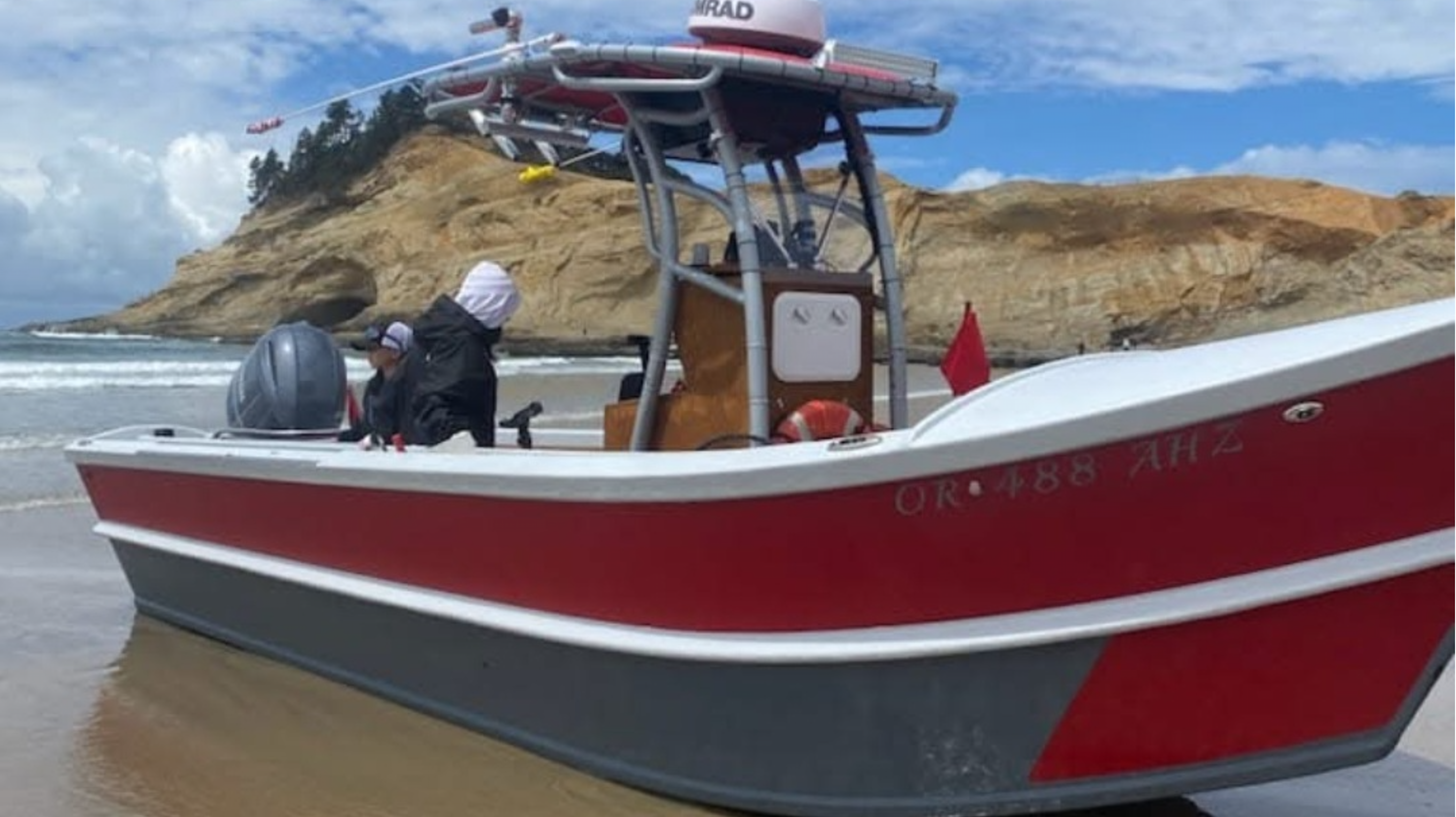
The vessel used for this charter is set up as a true working fishing boat. You'll notice plenty of rod holders and clear deck space so everyone in your group of up to 6 has comfortable access to fish without crowding. The open layout lets you move between rails easily and gives Captain Gruhlke room to position the boat for optimal trolling patterns and drift alignment. There's seating for folks who want a break between casts, and the helm setup keeps the skipper in command with good visibility of the water and instruments. The boat's rigging for both trolling and crab pot work means you'll see the practical setup that supports both parts of your day. You'll feel like you're on a real fishing operation, not a tourism vessel. The deck is built for function - getting you to fish and back safely with your catch is what matters, and that no-nonsense approach carries through every aspect of how the boat operates.